Crowns and Bridges
Help for Broken and Missing Teeth

Restore damaged or missing teeth with long-lasting crowns and bridges.

Crowns and Bridges | Dentist

Erie Dental Crowns and Bridges

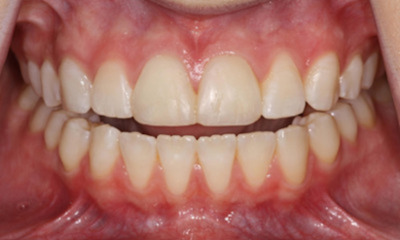
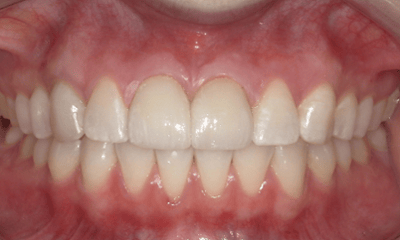
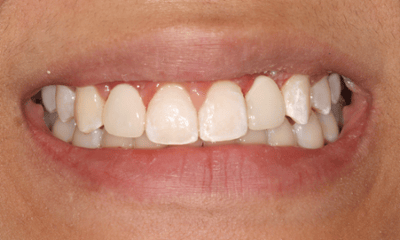
Dental crowns and bridges are time-tested solutions for damaged, decayed, or missing teeth. Dr. Tara Carroll uses these restorations to improve your smile's appearance and restore chewing comfort. 

Dental crowns and bridges do more than improve your smile’s appearance; they restore strength and shape, protect weakened structure, stabilize the bite, and help maintain the long-term health of surrounding teeth.

What Does a Dental Crown Do?

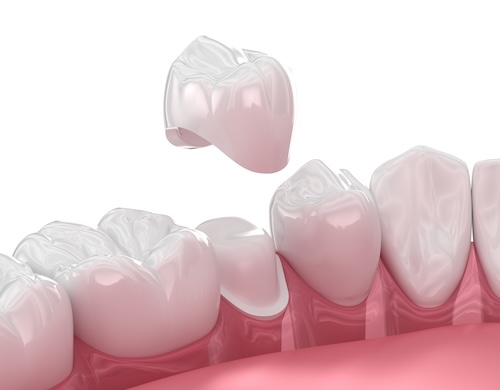
A crown is a ceramic cap that completely surrounds a tooth. Its purpose is to strengthen the tooth’s structure when it’s been damaged by decay, infection, or trauma. Once in place, the crown absorbs powerful bite forces, protecting the tooth from further damage and allowing you to chew comfortably again.

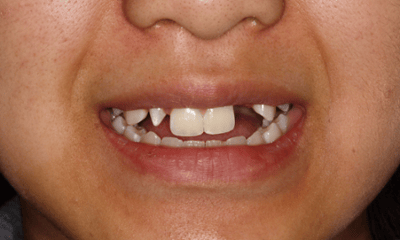
Dental Bridges Replace Missing Teeth

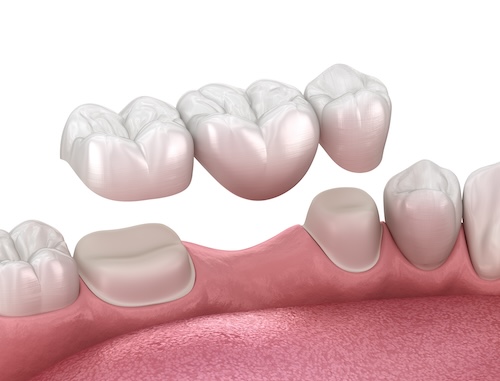
A dental bridge fills the space left by one or more missing teeth. It anchors to the natural teeth on either side of the gap or to dental implants and supports one or more artificial teeth in between. The result restores chewing function, prevents neighboring teeth from drifting, and maintains the overall structure of your bite.

What Problems Do Dental Crowns Fix?

A crown may be the right solution when a tooth has been weakened or damaged beyond what a filling can reliably address. Here are the most common situations where Dr. Carroll recommends one:
Cracked or Broken Tooth
A crack can put the entire tooth at risk. Without a crown, normal biting forces can cause the crack to deepen or the tooth to split. A crown reinforces the tooth and prevents that progression.
Large or Failing Filling
When a filling covers most of a tooth, there may not be enough structure left to support a replacement filling. A crown restores the full shape of the tooth and protects what’s left.
Tooth Worn by Grinding
Teeth worn down by grinding or years of use make it difficult to chew comfortably. Crowns rebuild lost height and surface, restore bite function, and protect the underlying tooth from further wear.
Badly Decayed Teeth
Extensive decay can leave insufficient structure to support the tooth. A crown is a more reliable solution than a filling, because it protects the entire visible tooth, reducing the risk of further breakdown.

Frequently Asked Questions

The decision depends on how much healthy tooth structure remains and whether a filling can still protect the tooth reliably long-term. When decay or damage is limited, a filling is often the right choice. When the tooth is significantly weakened, a crown provides better protection.

Factors That Determine Whether You Need a Crown

No single factor makes the decision. Dr. Carroll looks at the complete picture before recommending a crown:

  • Amount of remaining healthy tooth structure
  • Whether the tooth has fractures or cracks
  • Bite forces and the tooth’s position in the mouth
  • History of grinding or clenching
  • Whether the tooth has had a root canal, which makes it more brittle
  • Long-term predictability of a filling versus a crown
  • Any cosmetic concerns that a crown could address at the same time
  • Overall gum and bone health surrounding the tooth

When a Crown Is the Better Choice

  • A large filling in a back molar may carry a real fracture risk that a crown prevents.
  • A cracked tooth needs to be held together before the crack deepens.
  • A tooth treated with a root canal usually needs a crown to survive long-term chewing forces.

Dr. Carroll explains her reasoning clearly so you understand why one option is more predictable than the other for your specific tooth.

Schedule a Consultation

If you have been told you may need a crown and want a thorough evaluation, we are happy to help. Call Carroll Family & Cosmetic Dentistry at (303) 962-6400 or schedule online. We welcome patients from Erie, Broomfield, Lafayette, Westminster, Thornton, Brighton, Dacono, Frederick, Firestone, and surrounding communities.

What to Expect When Getting a Crown or Bridge

The first step is a thorough evaluation by Dr. Carroll. She will examine the tooth, take x-rays to determine the extent of damage, and to confirm that a crown or bridge is right for your needs. From there, the process typically involves two appointments.
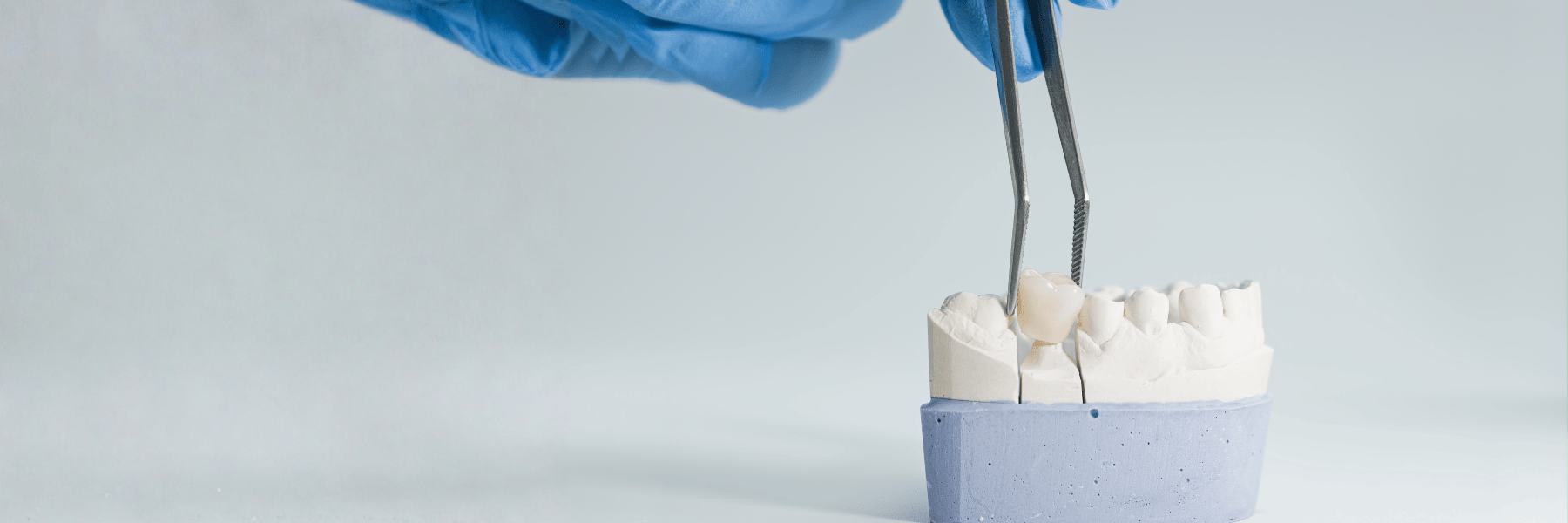
  • At the first visit, we reshape the tooth or teeth to prepare for the crown or bridge. Next, we take digital impressions to get accurate measurements. We then create a temporary restoration and send the details to a custom dental lab that will fabricate your crown or bridge.
  • When the final version is ready, you'll return to our office where Dr. Carroll checks the restoration for fit and comfort and cements it in place.
  • With proper care, crowns and bridges typically last 10 to 15 years or longer. Dr. Carroll will discuss what you can do to protect your restoration and get the most from your investment.

  • Dr. Tara Carroll

    Dr. Tara Carroll

    Dr. Carroll knows firsthand what a transformed smile can do. At just seven years old, she began orthodontic treatment and spent more than five years in braces. The confidence she gained inspired a career dedicated to helping others feel that same joy.

    Dr. Carroll completed her undergraduate studies at the University of Central Florida and earned her Doctor of Dental Surgery from the University of Colorado School of Dental Medicine in 2005, beginning her career in a corporate practice before founding her own practice in 2007. After a decade of growth ...

    View More

Is a Crown or Bridge Right for You?

If you have a damaged, weakened, or missing tooth, call our Erie, CO, dental office today at (303) 962-6400 to schedule an appointment with Dr. Carroll. She will evaluate your situation, explain your options, and help you understand what treatment may best fit your needs, timeline, and budget.

We see patients from all surrounding communities, including Broomfield, Lafayette, Westminster, Thornton, Brighton, Dacono, Frederick, Firestone, and beyond. Most PPO insurance plans are accepted, and CareCredit financing and an in-house membership plan are available for patients without insurance.

Crowns and Bridges Technology

Digital Impressions

Digital Impressions

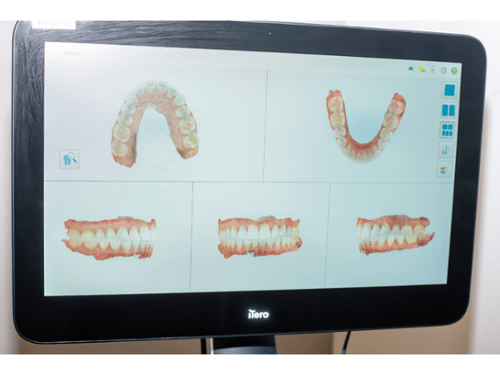
Digital impressions use a small handheld scanner to create a precise three-dimensional model of your teeth, eliminating the need for traditional putty molds. The process is faster, more comfortable, and more accurate. Dr. Carroll uses digital impressions for crowns, bridges, veneers, Invisalign® treatment planning, and other restorations that require a precise fit.